Home Design: Small House
Home Design: Small House
About this game — overview & description
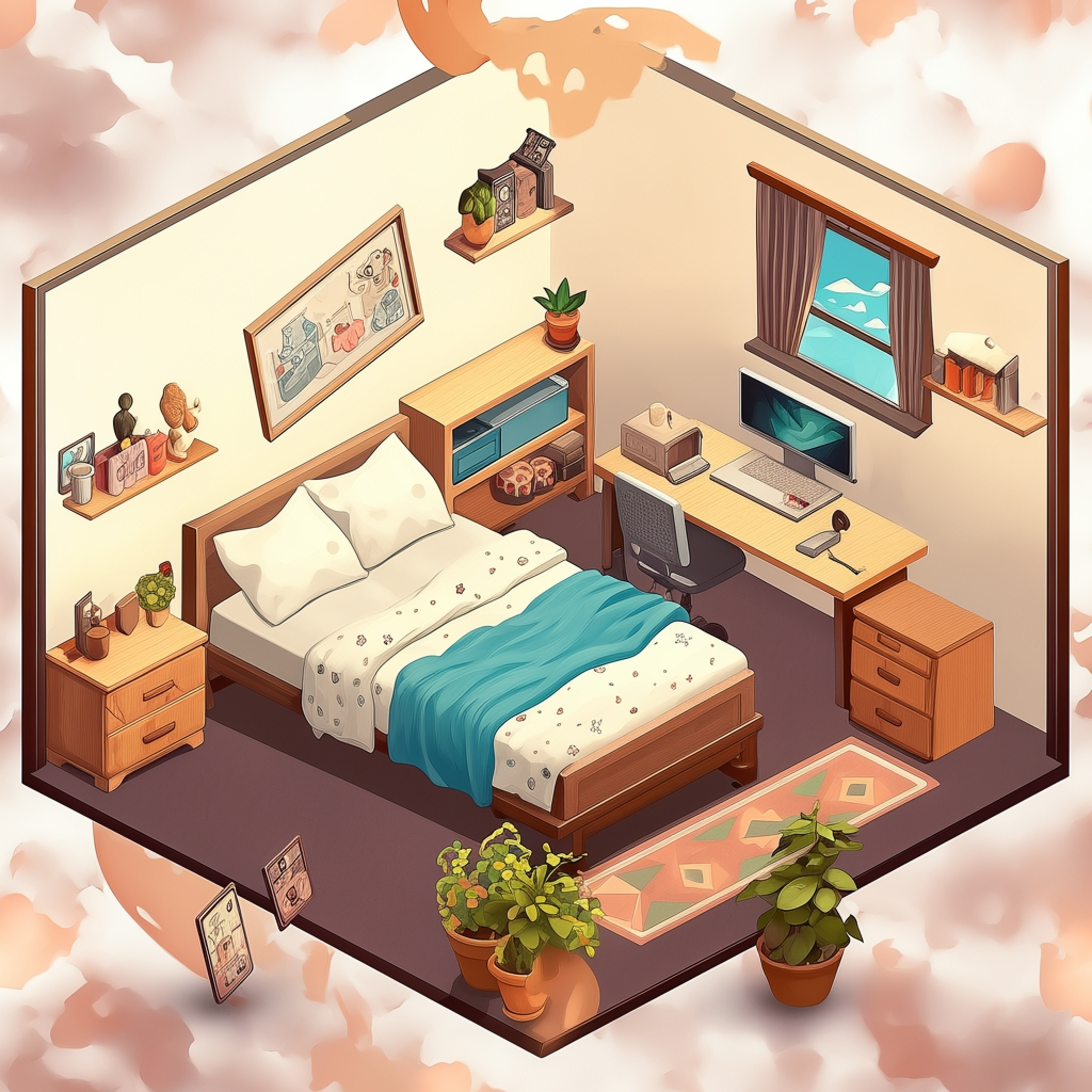
Home Design: Small House is an engaging puzzle game where players dive into the satisfying task of transforming chaotic rooms into perfectly organized spaces. This delightful experience puts you in the role of a diligent cleaner, meticulously sorting various items and arranging them in their ideal locations to achieve a pristine environment. Playing Home Design: Small House offers a unique blend of strategic thinking and aesthetic creativity, all available for free on deployment-game.com. Get ready to embark on a journey of tidiness and design, making every small house a beacon of order and charm.
What is Home Design: Small House? – Complete Game Overview
Home Design: Small House is more than just a decorating game; it’s a test of observation and spatial reasoning. Players are presented with a room brimming with miscellaneous objects, and their primary goal is to identify each item, understand its purpose, and find its rightful place. This process simulates the real-world challenge of decluttering and organizing, offering a relaxing yet stimulating mental exercise for all ages.
The core gameplay loop of Home Design: Small House revolves around a simple, intuitive drag-and-drop mechanic. You’ll interact with a variety of household items, from books and toys to kitchen utensils and decorative pieces. Each level presents a fresh arrangement of clutter, ensuring that no two challenges are exactly alike. The satisfaction of seeing a messy room transform into a neat, aesthetically pleasing space is at the heart of this captivating puzzle adventure.
Players will discover a growing complexity as they progress through the various stages of Home Design: Small House. Early levels might feature fewer items and clearer placements, while later stages introduce more objects, intricate layouts, and subtle clues for their proper arrangement. This gradual increase in difficulty keeps the gameplay fresh and continuously challenges your organizational prowess, encouraging you to refine your approach.
The charming visual style and calming sound design further enhance the experience of Home Design: Small House. Bright, inviting graphics make each room feel welcoming, even in its cluttered state, while gentle background music creates a serene atmosphere conducive to focused puzzle-solving. This delightful combination ensures that every moment spent playing this game is both enjoyable and stress-reducing, perfect for a quick break.
Beyond simply tidying, Home Design: Small House subtly encourages an appreciation for order and efficient space utilization. It’s a game that resonates with anyone who enjoys organization, puzzles, or simply the satisfaction of a job well done. Discover the joy of transforming messy spaces into masterpieces of domestic harmony when you play Home Design: Small House today.
How to Play Home Design: Small House – Step-by-Step Guide
Getting Started with Home Design: Small House
To begin playing Home Design: Small House, simply navigate to its page on deployment-game.com. There’s no need for downloads or installations, as the game runs directly in your web browser. Once the game loads, you’ll be greeted by an introductory screen that briefly explains the premise. Click on the “Play” or “Start” button to dive directly into your first room. The initial levels are designed to ease you into the mechanics, providing a gentle learning curve for new players.
Basic Controls and Gameplay
The controls for Home Design: Small House are incredibly straightforward, making it accessible to players of all ages and skill levels. You primarily use your mouse or trackpad on desktop devices, or your finger on mobile. To interact with an item, simply click and hold (or tap and hold) on it. Drag the item to its appropriate position within the room. Release the click or tap to place it. If an item is placed correctly, it will usually snap into place or provide visual confirmation, allowing you to proceed with the next piece of clutter.
Gameplay in Home Design: Small House involves systematically clearing the room. Start by identifying larger, more obvious items, then move on to smaller, more challenging pieces. Pay close attention to the details of the room and the objects themselves – a book belongs on a bookshelf, a pillow on a sofa, and kitchenware in the kitchen area. The goal is to leave no item out of place, achieving a fully tidy and aesthetically pleasing space before moving to the next challenge. This simple mechanic offers surprising depth as rooms become more complex.
Advanced Home Design: Small House Techniques
As you become more proficient in Home Design: Small House, you’ll start to develop advanced techniques for efficiency and precision. One key strategy is to mentally (or visually) section off the room, tackling one area at a time. For instance, clear all items belonging to the desk area before moving to the bed or entertainment center. This systematic approach reduces clutter, making it easier to spot remaining items and their corresponding spots.
Another advanced technique involves recognizing patterns and object categories. Many items appear across different levels, and learning their common placements can speed up your progress. Look for visual cues in the room itself, such as empty shelves, hooks, or designated containers that hint at where certain items should go. Mastering these subtle observations will significantly improve your speed and accuracy in every challenging level of Home Design: Small House.
Consider the overall aesthetic of the room when placing items, even if the game primarily focuses on functional placement. Sometimes, aligning objects neatly or creating symmetrical arrangements can be part of the unspoken challenge. This attention to detail elevates your gameplay experience beyond mere tidying, turning each level into a small artistic endeavor. Perfecting your approach to playing Home Design: Small House involves both logic and a keen eye for design.
Home Design: Small House Game Features and Highlights
Home Design: Small House comes packed with features designed to provide a consistently enjoyable and engaging experience for players of all ages. From its intuitive interface to its cleverly designed levels, every aspect of the game contributes to its charm and replayability. These highlights ensure that each session of this delightful puzzle game offers something new and satisfying.
- Intuitive Drag-and-Drop Controls: Effortlessly move and place items with simple mouse or touch gestures, making the game accessible to everyone.
- Variety of Unique Rooms: Explore numerous small houses, each with its own distinct layout, style, and set of items to organize.
- Progressive Difficulty: Levels gradually increase in complexity, introducing more items and challenging arrangements to keep players engaged.
- Relaxing Atmosphere: Enjoy calming visuals and soothing background music that create a stress-free and immersive gaming environment.
- Full-Screen Mode Support: Play Home Design: Small House in full-screen for an even more immersive and focused puzzle-solving experience.
One of the standout features of Home Design: Small House is its commitment to providing a truly casual yet deeply satisfying experience. The game avoids frustrating timers or punishing penalties, allowing players to work at their own pace and truly enjoy the process of bringing order to chaos. This player-friendly design ensures that the focus remains squarely on the joy of organization and the visual reward of a beautifully tidied room.
The visual fidelity of Home Design: Small House also deserves special mention. Each item, from tiny trinkets to larger furniture pieces, is rendered with clear, charming graphics that make identification and placement enjoyable. The vibrant color palettes and detailed room designs contribute to an inviting aesthetic, encouraging players to spend more time perfecting their interior design skills. This attention to graphical detail ensures the game is a pleasure to look at.
Another excellent highlight is the game’s universal accessibility. Whether you’re playing on a high-end desktop monitor or a small smartphone screen, Home Design: Small House adapts seamlessly. This ensures that the delightful experience of organizing and decorating is available to everyone, everywhere, without compromising on quality or ease of use. It’s a testament to thoughtful game development that prioritizes player convenience and enjoyment.
The sheer number of levels and different room designs available within Home Design: Small House provides extensive replay value. Players will constantly encounter new challenges and fresh layouts, ensuring that the game remains captivating over many hours of play. This continuous stream of content makes it a perfect title for those seeking a long-lasting, engaging puzzle experience that keeps you coming back for more.
Why Players Keep Coming Back to Home Design: Small House
Players are drawn back to Home Design: Small House time and again due to its uniquely satisfying gameplay loop and calming nature. The act of taking a cluttered, disorganized space and meticulously returning every item to its proper place taps into a fundamental human desire for order and control. This simple yet profound satisfaction provides an immediate reward, making each completed level feel like a significant accomplishment and encouraging players to tackle the next challenge with enthusiasm.
The game serves as an excellent stress-reliever, offering a digital escape from daily pressures. Unlike fast-paced action games or complex strategy titles, Home Design: Small House provides a tranquil environment where players can focus on a clear, achievable goal without time limits or competitive pressure. This therapeutic quality makes it a go-to choice for those seeking a relaxing activity to unwind and de-stress after a long day.
The progressive difficulty curve is another key factor in the game’s enduring appeal. Home Design: Small House starts with straightforward puzzles that build player confidence, then gradually introduces more intricate scenarios. This ensures that the game remains challenging enough to hold interest without ever becoming overwhelmingly frustrating. Players feel a sense of continuous growth and improvement, which fuels their desire to keep playing and conquering new rooms.
Furthermore, the visual feedback provided by Home Design: Small House is incredibly motivating. Watching a messy room transform into a clean, inviting space right before your eyes offers a powerful psychological reward. This aesthetic gratification is a strong incentive to continue playing, as each successful organization is not just a game objective met, but also a mini-masterpiece created. The sense of accomplishment is both immediate and visually impactful.
The versatility of Home Design: Small House also contributes to its enduring popularity. It’s a game that can be enjoyed in short bursts during a coffee break or for longer, more immersive sessions. Its accessibility across various devices, coupled with its free-to-play model, means that the joy of interior design and organization is always just a few clicks or taps away, making it a convenient and reliable source of entertainment for many.
Finally, the gentle cognitive stimulation offered by Home Design: Small House keeps players engaged. While relaxing, the game subtly hones observation skills, pattern recognition, and logical thinking. It’s a perfect example of a casual game that provides mental benefits without feeling like a chore. This combination of mental engagement and soothing gameplay ensures a broad appeal and encourages repeated visits to this delightful game.
Pro Tips and Strategies for Home Design: Small House
Beginner Tips
For newcomers to Home Design: Small House, starting with a systematic approach is crucial. Begin by scanning the entire room to get an overview of the clutter and identify any obvious placement areas, like a bookshelf for books or a wardrobe for clothes. Focus on larger items first, as placing them can often reveal space for smaller objects. Don’t be afraid to take your time; there’s no rush, so use the opportunity to truly observe your surroundings within the game.
Intermediate Strategies
As you gain experience with Home Design: Small House, you can refine your techniques. Try organizing items by category before placing them. For example, gather all kitchen items mentally, then place them in the kitchen area. Similarly, group all toys or office supplies. This mental sorting reduces the visual noise of the room and makes finding their homes much more efficient. Also, utilize the full-screen mode for better visibility and focus on intricate details.
Expert Home Design: Small House Secrets
For those aiming for mastery in Home Design: Small House, efficiency and a keen eye for subtle cues are paramount. Look for contextual hints: an open drawer suggests items should be stored inside, while a specific color scheme on a shelf might indicate where similarly colored objects belong. Sometimes, the shape of an empty space perfectly matches a particular item, guiding your placement. Developing this intuitive understanding will allow you to complete levels with impressive speed and accuracy. You can find more discussions and insights into game design and distribution, including titles like Home Design: Small House, on platforms such as GameDistribution.
Beyond simply placing items, expert players of Home Design: Small House often think about the “narrative” of the room. What kind of person lives here? What activities take place in each section? This deeper understanding can guide more intuitive and aesthetically pleasing placements, even if the game doesn’t explicitly demand it. It’s about creating a harmonious and functional space that tells a story through its organization, enhancing the overall experience.
Practice is key to becoming an expert at any game, and Home Design: Small House is no exception. Repeatedly playing through levels, especially those you found challenging, can help you memorize layouts and item placements. This not only improves your speed but also helps you develop a sharper eye for detail that translates across different room designs. Continuous engagement will unlock your full potential in this delightful puzzle game.
Home Design: Small House vs Other Similar Games
While the market offers various casual puzzle and decorating games, Home Design: Small House carves out its own niche through its specific focus on organization and decluttering. Many design games prioritize building or furnishing from scratch, offering extensive customization options. In contrast, Home Design: Small House provides a unique challenge of working with existing clutter and finding logical places for pre-determined items, making it more akin to a spatial puzzle than a creative sandbox.
Compared to popular matching games or tile-based puzzles, Home Design: Small House offers a more relaxed pace and a less abstract objective. Instead of matching colors or patterns, players are engaged in a task that mirrors real-world organizational efforts, lending a tangible sense of accomplishment. This direct connection to practical skills makes it feel more purposeful and satisfying for players who enjoy tidiness and order. It’s a different kind of brain teaser.
Other games, like Soccer Duel or Torn Pieces, focus on action or narrative-driven puzzles, respectively. Home Design: Small House stands apart by emphasizing a calm, methodical approach to problem-solving. It lacks the competitive pressure of games like Soccer Duel and the intricate storytelling of titles like Torn Pieces, instead offering a peaceful retreat into the world of domestic harmony. If you’re looking for a quick and engaging brain workout that involves logical sequencing, you might also enjoy Ticktock: Egg Run, though its mechanics differ significantly from the design-focused challenges of Home Design: Small House.
Furthermore, Home Design: Small House distinguishes itself from hyper-casual mobile titles that often rely on repetitive, quick-fire actions. Its levels, while structured, often require a moment of thought and observation rather than just reflex. This thoughtful engagement, combined with its charming visuals and accessible gameplay, positions it as a high-quality casual offering that appeals to a broad audience looking for a meaningful yet relaxing gaming experience. You can often find comparisons and user reviews for games like this, highlighting their unique aspects, on gaming portals such as Reludi.
The game also avoids the common free-to-play pitfalls of aggressive monetization seen in some mobile design games. Home Design: Small House remains genuinely free to play, with no intrusive ads or paywalls hindering progress. This commitment to a pure, uninterrupted gameplay experience further enhances its appeal and sets it apart as a truly player-first title within the casual gaming landscape. It’s about the joy of playing, not spending.
Technical Requirements for Home Design: Small House
One of the most significant advantages of playing Home Design: Small House is its minimal technical requirements, making it incredibly accessible to a vast audience. The game is developed using HTML5 technology, meaning it runs directly in your web browser. This eliminates the need for any downloads, installations, or complex setup procedures. Simply visit deployment-game.com, click on the game, and you’re ready to start organizing.
Home Design: Small House is compatible with virtually any modern web browser. Whether you prefer Chrome, Firefox, Edge, Safari, or Opera, you can enjoy the game seamlessly. This broad browser support ensures that almost everyone with an internet connection can dive into the world of home design without encountering compatibility issues. Its browser-based nature is a hallmark of truly accessible online gaming experiences.
Furthermore, the game is designed to be fully responsive, meaning it performs beautifully across a wide range of devices. You can play Home Design: Small House on desktop computers, laptops, tablets, and mobile phones alike. The interface adjusts automatically to screen size, ensuring optimal usability and visual clarity regardless of your chosen device. This cross-platform compatibility is a major benefit for casual gamers on the go. You can find more technical details on game availability on sites like Blipzi.
To ensure the best possible experience when playing Home Design: Small House, we recommend having a stable internet connection. While the game itself doesn’t require constant high-bandwidth, a consistent connection will ensure smooth loading times and uninterrupted gameplay. A modern, up-to-date browser is also advisable to take advantage of the latest web technologies and performance optimizations, enhancing your overall experience.
Frequently Asked Questions About Home Design: Small House
Is Home Design: Small House Free to Play?
Yes! Home Design: Small House is completely free to play on deployment-game.com. No downloads, no registration, no hidden costs.
Can I Play Home Design: Small House on Mobile?
Absolutely! Home Design: Small House is fully optimized for mobile devices, including smartphones and tablets. It runs directly in your mobile browser, offering responsive touch controls and an adaptive interface for an excellent on-the-go gaming experience. Enjoy tidying up rooms whether you are at home or out and about, making it perfect for quick casual sessions anytime, anywhere.
Is Home Design: Small House Suitable for Casual Play?
Yes, Home Design: Small House is perfectly suited for casual play. Its relaxed pace, absence of timers or strict penalties, and intuitive gameplay make it an ideal choice for unwinding. You can pick it up for a few minutes or delve into longer sessions, making it a flexible and enjoyable game for players seeking a low-stress, engaging puzzle experience. It perfectly embodies the spirit of Casual games.
The game’s engaging yet gentle challenge ensures that players can enjoy the satisfaction of completing levels without feeling rushed or overwhelmed. This balance makes Home Design: Small House a fantastic option for anyone looking for a fun, accessible, and mentally stimulating pastime. It’s designed to be a delightful diversion for players of all backgrounds, offering a dose of calm and accomplishment with every tidy room.
Start Playing Home Design: Small House Now!
Ready to embark on a journey of organization, aesthetic satisfaction, and delightful puzzle-solving? There’s no better time to start playing Home Design: Small House than right now! Head over to deployment-game.com and immerse yourself in this captivating game where every misplaced item is an opportunity for order. Experience the unique joy of transforming cluttered spaces into beautifully arranged rooms, all from the comfort of your browser.
Join countless players who have discovered the calming and rewarding experience of Home Design: Small House. With its intuitive controls, charming visuals, and progressively challenging levels, it’s the perfect game to relax your mind while stimulating your observational skills. Whether you have a few minutes to spare or
Controls & how to play (HTML5)
Use mouse, keyboard, or touch—this deployment-game.com title shows its own on-screen prompts and hints.




Loading comments from deployment-game.com…